
Amplipulsterapy
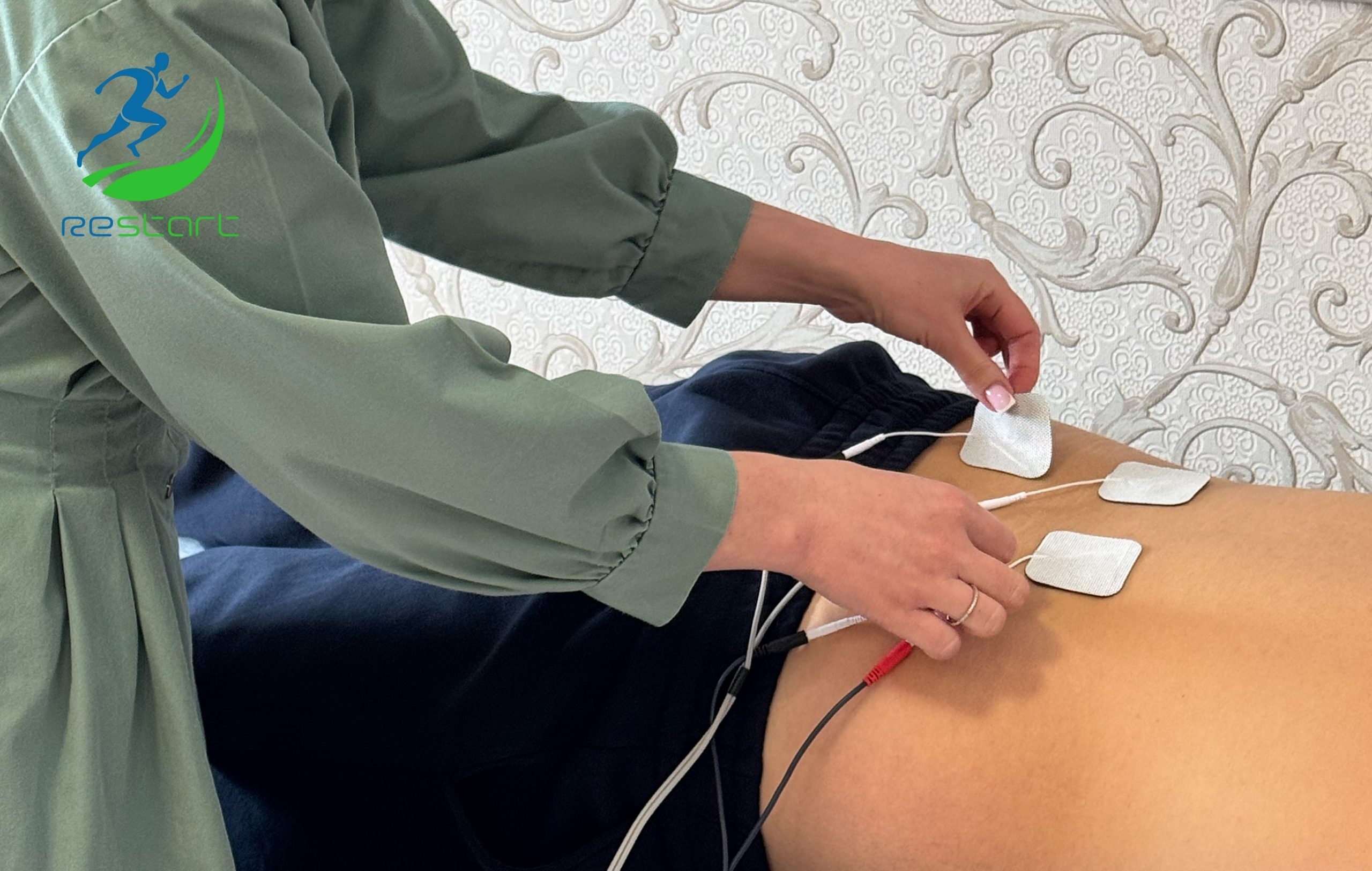
Amplipulse therapy is a method of exposure to medium-frequency sinusoidal modulated currents (SMC), which combines pain relief, stimulation, and improved tissue nutrition. This technique is characterized by its mild effect and high efficiency, especially in chronic diseases of the musculoskeletal system and peripheral nervous system.
How does amplipuls therapy work?

Sinusoidal modulated currents of medium frequency are applied to the body
The current passes through special electrodes on the skin
Impulses penetrate deep layers of tissue
Pain signals are blocked at the level of nerve fibers
Blood circulation and metabolism are activated
Muscle tone and nerve conduction are normalized
Who is it recommended for?

People with chronic back and neck pain
Patients with osteochondrosis and arthrosis
For people with intervertebral hernias and protrusions
Patients in the rehabilitation period after injuries and surgeries
People with muscle spasms and overexertion
Patients with paresis and muscle atrophy
Main indications
-
 Degenerative diseases of the spine and joints
-
Chronic pain syndrome
-
Peripheral innervation disorders
-
Contractures and muscle hypotension
-
Vascular disorders without complications
-
Post-traumatic and postoperative conditions
 Degenerative diseases of the spine and joints
Advantages of the procedure?
Gentle action without harsh irritation
Rapid pain relief
Lack of medication burden
Deep impact on tissues
Improving blood circulation
Relieving muscle spasms
Individual mode selection
Good patient tolerance
Lasting effect after a course of treatment
Contraindications
-
Acute purulent and inflammatory processes
-
Oncological diseases
-
Presence of a pacemaker
-
Pregnancy
-
Thrombophlebitis, blood clotting disorder
-
Skin damage in the affected area
 Acute purulent and inflammatory processes
How does the session work?
The procedure begins with determining the area of impact and selecting the optimal current parameters, after which electrodes with gel or wet pads are applied, and during the session the patient feels a slight pulsating muscle contraction or pleasant warmth.
Duration: 15–20 minutes.
Recommended course: 8–12 procedures (calculated individually for each patient).