
Electrophoresis
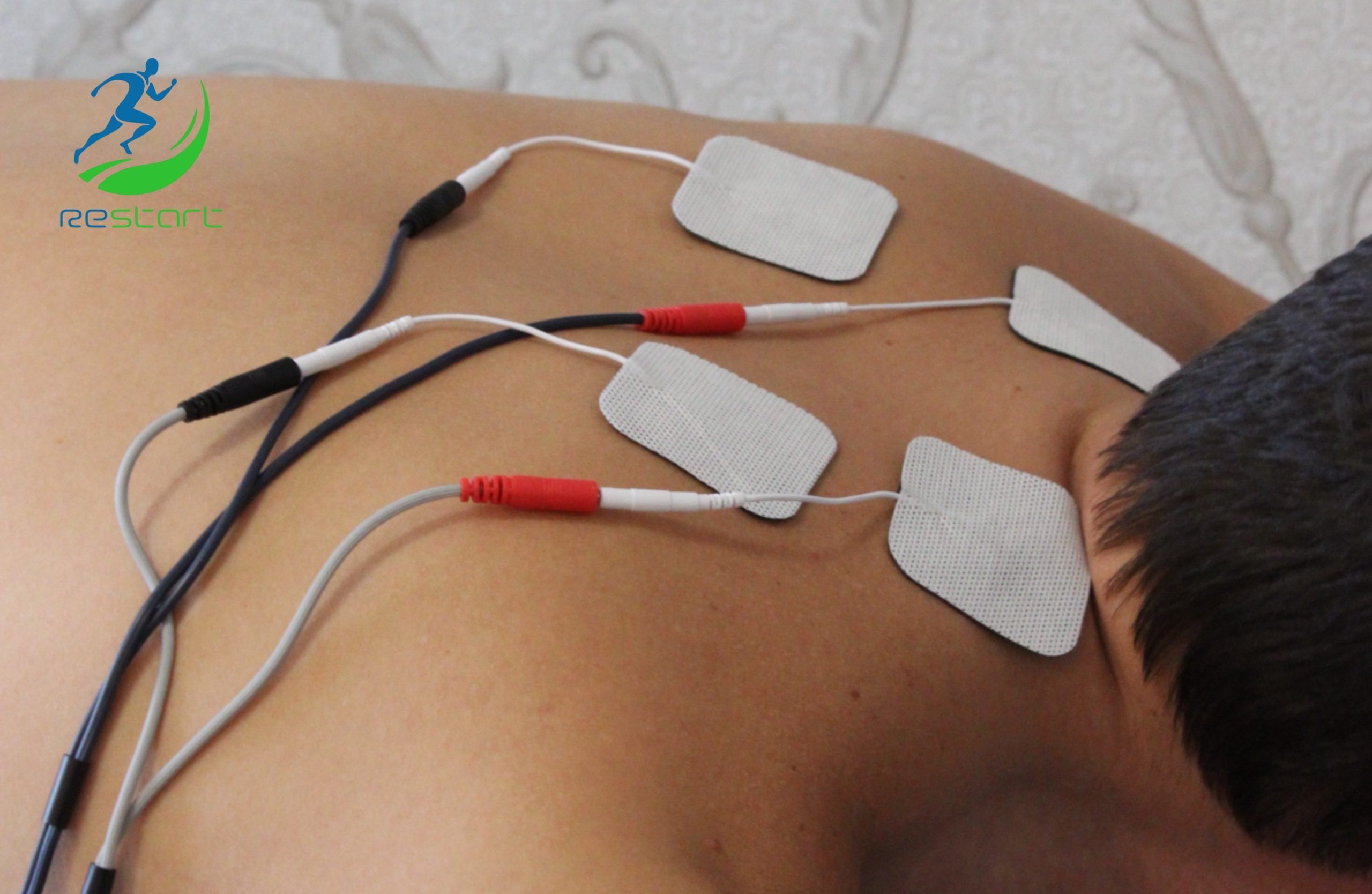
Electrophoresis is a modern physiotherapy technique that combines the action of electric current and medicinal substances to ensure their precise penetration into tissues through the skin. It provides a painless, deep, and effective effect, promoting faster recovery and reducing inflammation.
How does electrophoresis work?

A weak direct electric current is passed through the skin
Under its action, the ions of the drug penetrate deep into the tissues
The active substance accumulates directly in the affected area
Provides a long-lasting local therapeutic effect
Stimulates metabolism in cells
Microcirculation and tissue nutrition improve
Who is it recommended for?

Patients with diseases of the spine and joints
For people with neuralgia and neuritis
Patients with ENT diseases
Women with gynecological inflammatory processes
For people in the rehabilitation period after injuries and surgeries
Patients with chronic pain syndromes
Main indications
-
 Pain and inflammation in the joints and spine
-
Peripheral nervous system diseases
-
Chronic pelvic inflammatory disease
-
ENT diseases (sinusitis, otitis, tonsillitis)
-
Skin pathologies and scars
-
Respiratory tract diseases
 Pain and inflammation in the joints and spine
Advantages of the procedure
Precise administration of medication to the affected area
No strain on the gastrointestinal tract
Painlessness of the procedure
Long-lasting therapeutic effect
Reducing the need for injections and pills
Reducing the risk of adverse reactions
Improving blood circulation in the problem area
Acceleration of healing processes
High efficiency with course treatment
Contraindications
-
Allergy to the prescribed medication
-
Violation of the integrity of the skin in the area of electrode application
-
Acute purulent processes
-
Oncopathology
-
Pregnancy (relative contraindication)
-
Presence of a pacemaker
 Allergy to the prescribed medication
How does the session work?
The procedure begins with identifying the problem area and selecting the drug, after which gauze pads are soaked in the medication, applied to the body, and a galvanic current is passed through them, during which the patient feels a slight tingling sensation.
Duration: 10–30 minutes.
Recommended course: 8–12 procedures daily or every other day (calculated individually for each patient).
Results

Noticeable pain reduction
Reducing inflammation
Accelerated tissue repair
Improving local blood circulation
Reducing swelling
Restoration of nerve conduction
Improving joint mobility
General improvement in well-being
Lasting therapeutic effect after the course