
Electrical stimulation
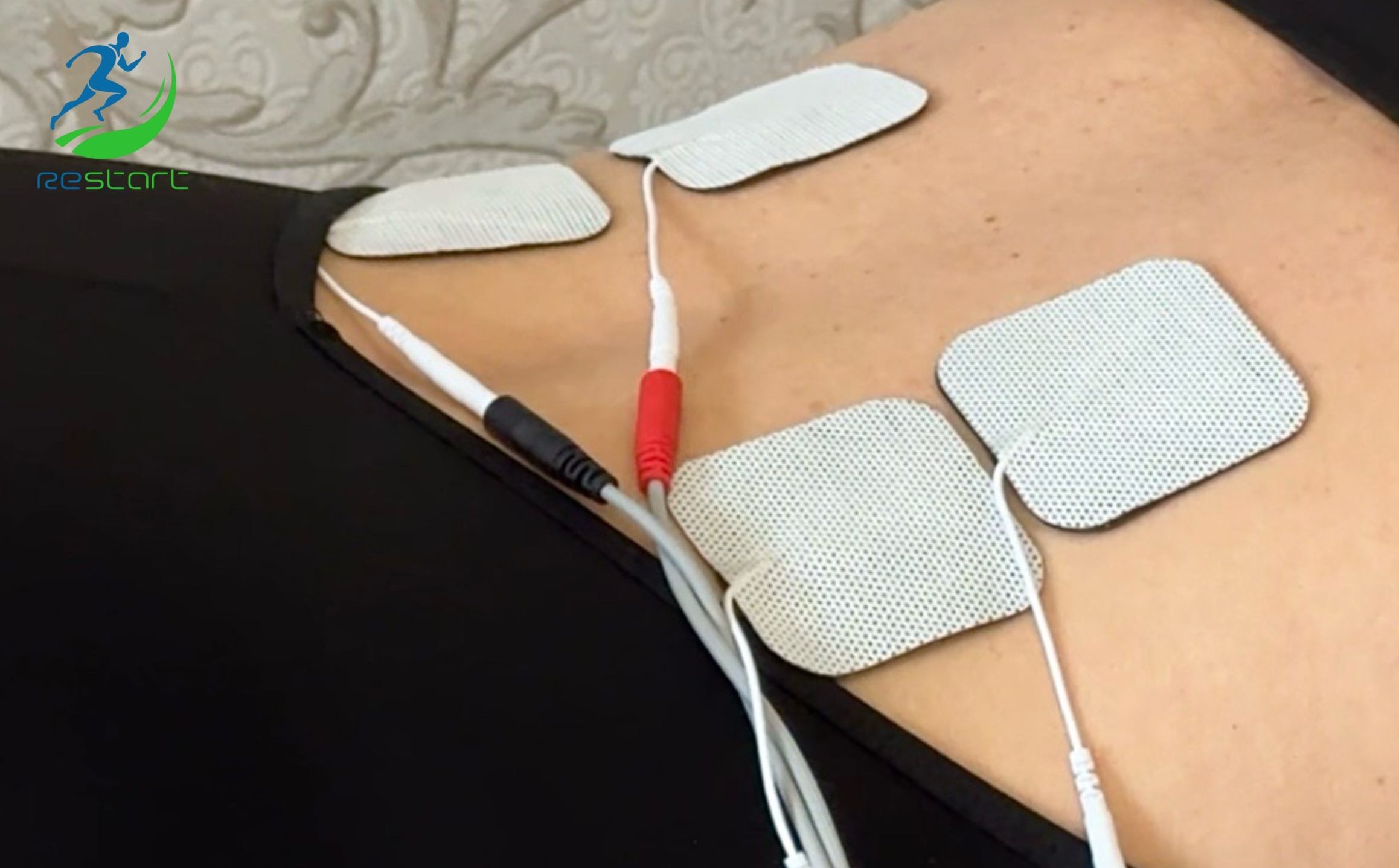
Electrical stimulation is a technique that activates muscles using electrical impulses that mimic natural signals from the nervous system. Its goal is to restore muscle strength, prevent atrophy, and improve blood circulation in weakened or immobile areas.
How does electrical stimulation work?

Electrodes are placed on the skin over the target muscles
The device delivers controlled electrical impulses
Impulses mimic natural nervous system signals
Rhythmic muscle contractions are caused
Neuromuscular transmission is activated
Blood circulation and metabolism in tissues improve
Who is it recommended for?

For patients after fractures, casts and surgeries
For people with paresis and paralysis
Patients with neurological diseases
For athletes during recovery
Individuals with muscle weakness and hypotension
Patients in a physical rehabilitation program
Main indications
-
 Muscle atrophy or its prevention
-
Innervation disorders
-
Chronic back pain
-
Core muscle weakness
-
Posture disorders and scoliosis
-
Decreased pelvic floor tone
 Muscle atrophy or its prevention
Advantages of the procedure
Restoring muscle activity without load
Painless and comfortable effect
Prevention of atrophy
Acceleration of rehabilitation
Improving blood circulation
Possibility of local influence
Individual selection of programs
Increasing the effectiveness of exercise therapy
Sustainable results after the course
Contraindications
-
Presence of a pacemaker
-
Severe heart rhythm disturbances
-
Oncological diseases
-
Epilepsy
-
Pregnancy (with the consent of a doctor)
-
Skin damage or inflammation
 Presence of a pacemaker
How does the session work?
The procedure begins with a consultation and testing of the muscle group, after which the optimal mode (toning, restorative or rehabilitation) is selected, electrodes are applied, the intensity is adjusted, and during the session, painless but clearly noticeable muscle contractions occur.
Duration: 15 minutes.
Recommended course: 10–15 procedures (calculated individually for each patient).
Results

Restoring muscle strength
Increased endurance
Improving coordination of movements
Reducing muscle weakness
Preventing atrophy
Improving body symmetry
Increasing the effectiveness of rehabilitation
Increased motor activity
Improving the quality of life