
Rehabilitation specialist
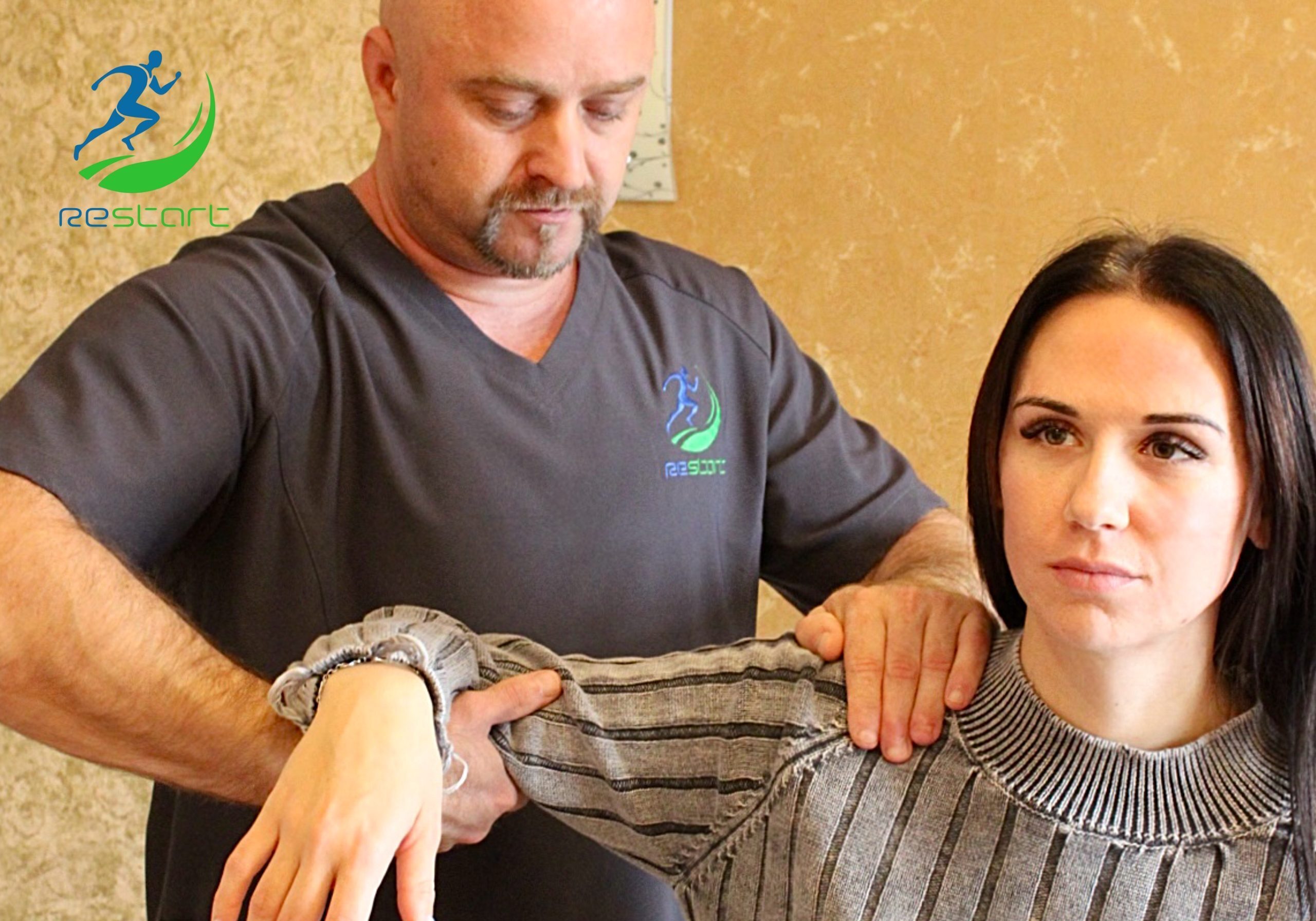
A rehabilitologist is a specialist who helps restore physical function after injuries, strokes, surgeries, chronic illnesses, or prolonged reduced activity. Their goal is to restore a person’s mobility, independence, comfort, and quality of life.
This is not just a “post-trauma doctor,” but a recovery strategist — one who takes into account the patient’s body, lifestyle, psycho-emotional state, motivation, and life goals.
What does a rehabilitator do?

Analyzes the condition of the musculoskeletal system, strength, endurance, coordination
Identifies limitations, pain, functional impairments
Creates a personalized recovery program
Works in tandem with a neurologist, orthopedist, physiotherapist, and massage therapist
Supports recovery after illnesses, injuries, and surgeries
Adapts the load to achieve maximum effect without harm
What problems do patients come with?
Recovery after stroke, traumatic brain injury
Consequences of fractures, joint or spine surgeries
Weakness, muscle stiffness, limited movement
Chronic back, neck, and lower back pain
Cerebral palsy, multiple sclerosis, Parkinson’s disease
Impaired coordination, balance, difficulty with self-care
Endoprosthetics
Decreased endurance, general fatigue
When should you contact us?
-
 If after an injury it has become difficult to walk, lift things, or take care of yourself
-
After a stroke, surgery, or prolonged bed rest
-
If you have body pain, weakness, a feeling of “wooden” muscles
-
For prevention – for older people, during sedentary work, during periods of reduced activity
-
If you want to get back in shape without harming your health
-
If you experience impaired coordination, balance, or rapid fatigue while driving
 If after an injury it has become difficult to walk, lift things, or take care of yourself
Why is it important not to delay?
Physical functions are lost faster than you think over time. Muscles atrophy, joints lose mobility, the body “forgets” how to move. Even simple exercises, selected by a specialist, can radically change the prognosis and return a person to an active life.
How does the consultation work?
History taking: injuries, surgeries, diagnoses, limitations
Testing: strength, mobility, endurance, coordination
Goal setting: what exactly needs to be restored (walking, independence, work, sports)
Building a plan: a complex of exercise therapy, massage, physiotherapy, recommendations
Dynamic support: program correction, motivation, evaluation of results
Patient education: explaining correct movements, posture, prevention of re-injury and independent work at home
Expected results:
-
Restoring strength, movement, coordination, balance
-
Improving well-being, endurance, adaptation in everyday life
-
Reduction of pain, muscle tension, anxiety
-
Return to your favorite things, work, and activities
-
Developing a safe lifestyle with minimal risk of recurring problems
 Restoring strength, movement, coordination, balance
Top 10 most frequently asked questions
The rehabilitation specialist draws up and coordinates the entire recovery process. The physiotherapist performs specific procedures within this plan.
As early as possible — ideally in the first few days after an injury, surgery, or stroke — this speeds up full recovery.
Yes. Treatment eliminates the symptom, and rehabilitation restores function.
Yes. A rehabilitation therapist will help restore muscle balance, correct posture, and relieve tension.
From 3 to 12 weeks – depends on the goal, diagnosis, and rate of recovery.
Yes. ReStart doesn’t require referrals—just sign up.
Yes. Special programs are aimed at maintaining activity, independence, and preventing falls.
This is where we come in. We have experience in recovering from strokes, neurotraumas, and coordination disorders.
Yes. A rehabilitation therapist will help restore endurance, breathing, and movement.
Yes. We work with children with developmental disabilities, scoliosis, and post-traumatic stress disorder. Programs are age-appropriate.
Do you have any questions?
Rehabilitation is not a luxury, but a necessary stage of recovery. Don’t wait – come to ReStart for healthy movement and a new quality of life.