
Intramuscular administration of drugs
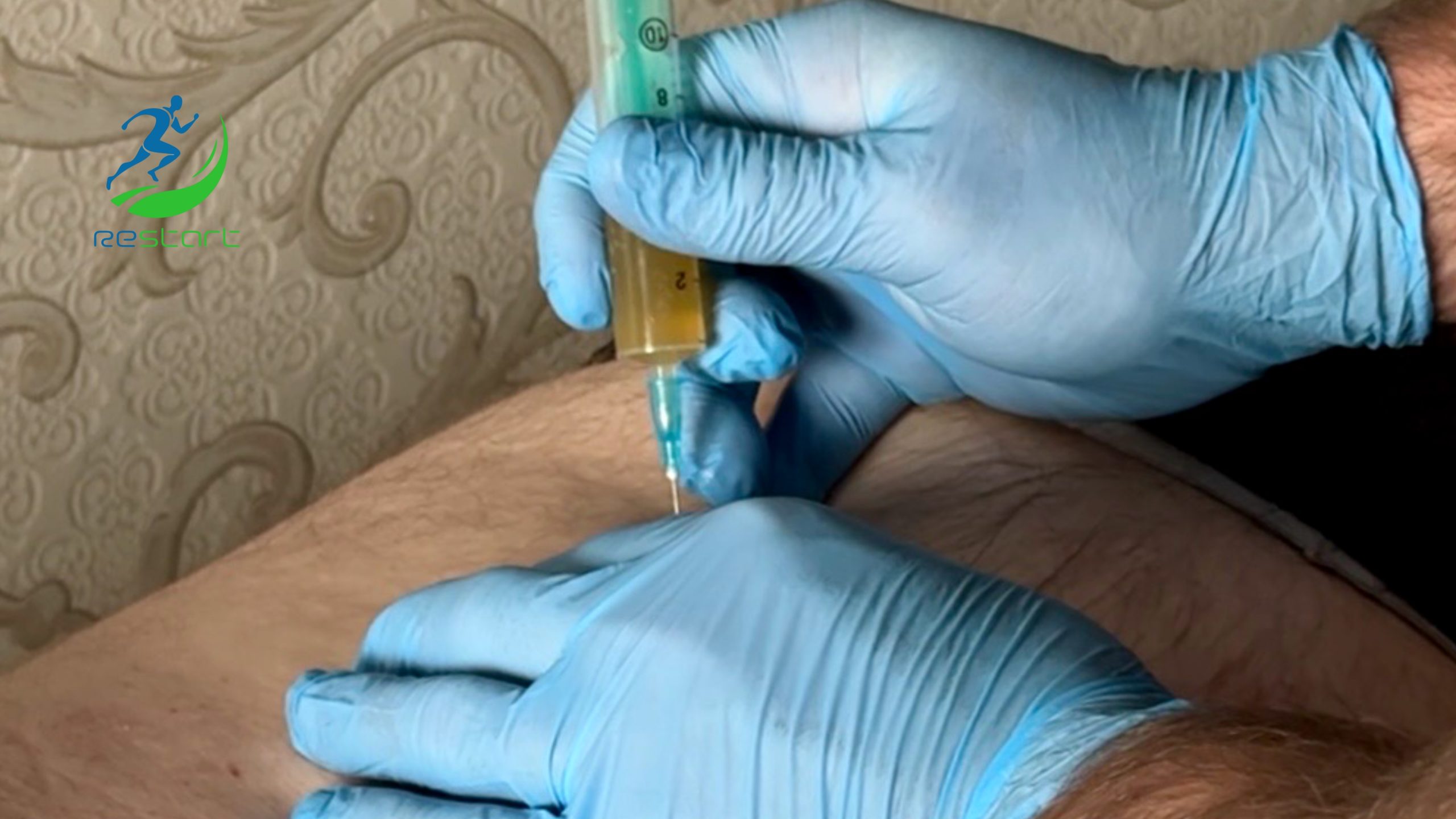
Intramuscular administration of drugs is one of the most common and effective ways of delivering drugs into the body through muscle tissue. In the field of rehabilitation and therapeutic blockades, this method is of particular importance, as it allows for rapid therapeutic action in muscle spasms, pain syndromes, and B vitamin deficiency.
It is often used as an auxiliary tool in the complex therapy of diseases of the musculoskeletal system, nervous system, as well as for general strengthening of the body in conditions of recovery from injuries.
How do intramuscular injections work?

The drug is injected directly into the muscle tissue
Thanks to good blood supply to the muscles, rapid absorption occurs
The active substance quickly enters the systemic bloodstream
Local muscle tension decreases
Eliminating painful trigger points
Improves nutrition and neuromuscular conduction of tissues
Who is it recommended for?

Patients with chronic back and neck pain
People after injuries and surgeries
Patients with neurological disorders
For people with B vitamin deficiency
For people who cannot take medication orally
For patients during rehabilitation
Main indications
-
 Myofascial pain syndrome
-
Acute and chronic muscle spasms
-
Inflammatory processes in the muscles
-
Neuralgias and neuritis
-
Post-traumatic muscle weakness
-
Pain syndromes of various origins
 Myofascial pain syndrome
Advantages of the procedure
Rapid therapeutic effect
High bioavailability of the drug
Gastrointestinal bypass
Less strain on the liver and stomach
Possibility of local influence
Controlled dose of medication
Suitable for debilitated patients
Compatibility with other treatment methods
High level of safety when done correctly
Contraindications
-
Inflammatory or infectious skin lesions in the injection area
-
Individual intolerance to the drug
-
Blood clotting disorders
-
Hemophilia and bleeding tendency
-
Severe muscle atrophy
-
Acute infectious diseases
 Inflammatory or infectious skin lesions in the injection area
How does the procedure work?
The procedure includes consultation with a doctor and selection of the drug, determination of the optimal injection site (gluteal, deltoid or thigh muscle), treatment of the area according to the rules of sterility, rapid administration of the medication while maintaining the required depth, and further monitoring of the body’s reaction.
Course: usually 5–10 injections every other day (calculated individually for each patient).