
Periarticular injections
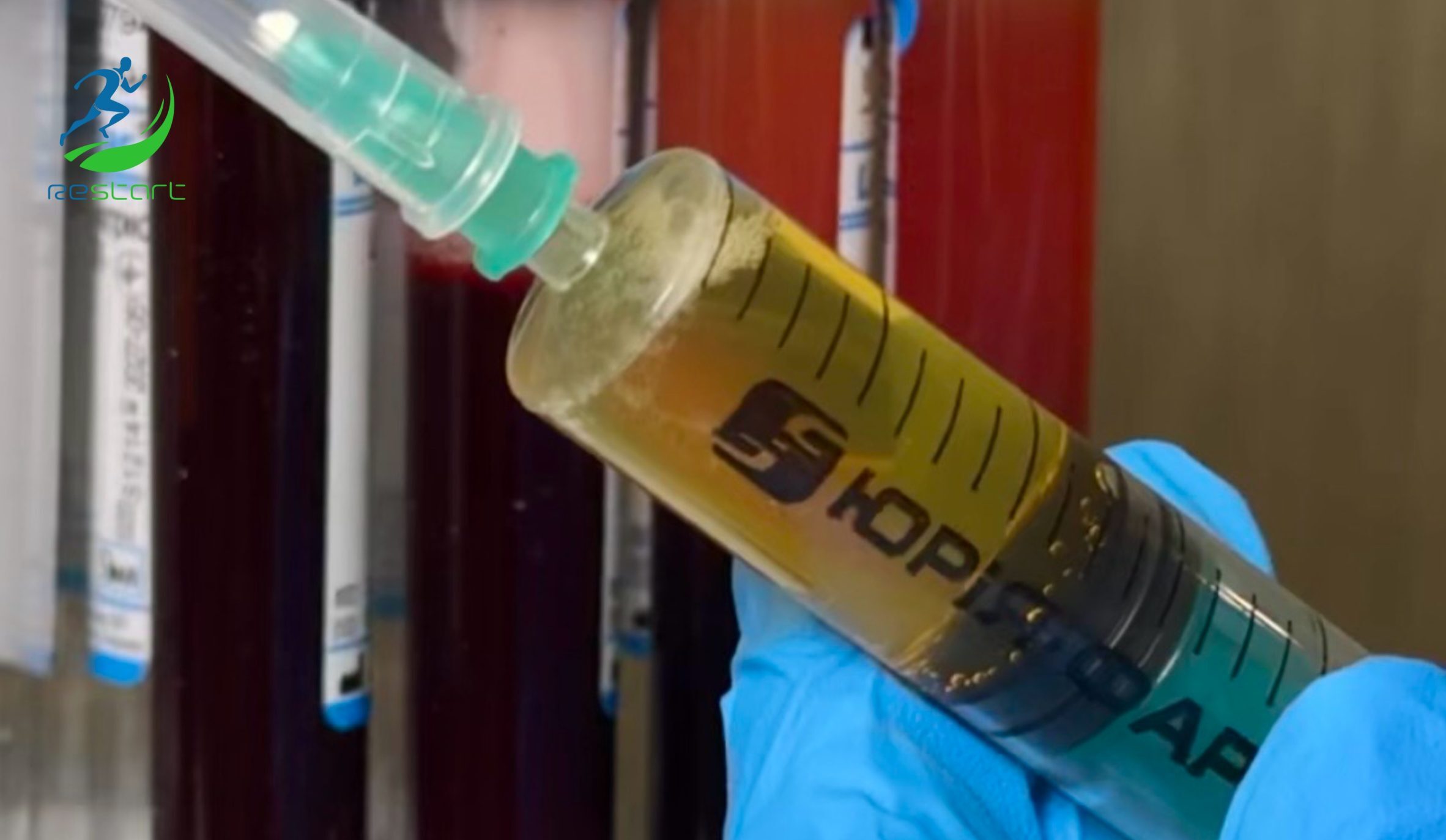
A periarticular injection is an effective method for treating pain, inflammation, and muscle tension by administering medication into the tissues surrounding a joint, such as ligaments, tendons, fascia, or synovial bursae.
This procedure does not enter the joint cavity, but it allows for precise targeting of the source of pain, which is often located in the surrounding structures.
How does periarticular injection work?

The drug is injected into the tissues surrounding the joint
Active substances act directly in the area of inflammation
Swelling of periarticular structures decreases
Decreases irritation of nerve endings
Improves the elasticity of ligaments and tendons
Normal biomechanics of movements are restored
Who is it recommended for?

Patients with chronic musculoskeletal pain
For people after physical exertion
Athletes with overuse injuries
Patients with inflammatory tendon diseases
For people with limited movement due to pain
People for whom drug therapy is ineffective
Main indications
-
 Tendinitis and tendino
-
Epicondylitis
-
Bursitis
-
Scapular periarthritis
-
Plantar fasciitis (heel spur)
-
Post-traumatic soft tissue pain
 Tendinitis and tendino
Advantages of the procedure
Targeted action on the source of pain
Rapid pain relief
Minimal strain on the body
High treatment efficiency
Without penetration into the joint cavity
Possibility of combination with physiotherapy
Short recovery period
Reducing the need for tablet medications
Improving the quality of life
Contraindications
-
Infectious processes in the injection area
-
Blood clotting disorders
-
Hypersensitivity to drugs
-
Pregnancy (with the consent of a doctor)
-
Decompensated chronic diseases
-
General inflammatory processes in the body
 Infectious processes in the injection area
How does the procedure work?
The procedure begins with an initial consultation with a doctor, followed by sterile preparation of the area, targeted injection of the drug into the area of pain or inflammation, brief observation for 10–15 minutes, and recommendations regarding the activity regimen for the coming days.
Course: usually 1–3 injections are prescribed with an interval of 7–10 days (calculated individually for each patient).
Results

Reduction of pain syndrome
Elimination of inflammation
Reducing muscle spasm
Improving mobility
Restoring tissue function
Increased joint endurance
Return to an active lifestyle
Reducing the risk of relapse
Long-lasting therapeutic effect