
Galvanization
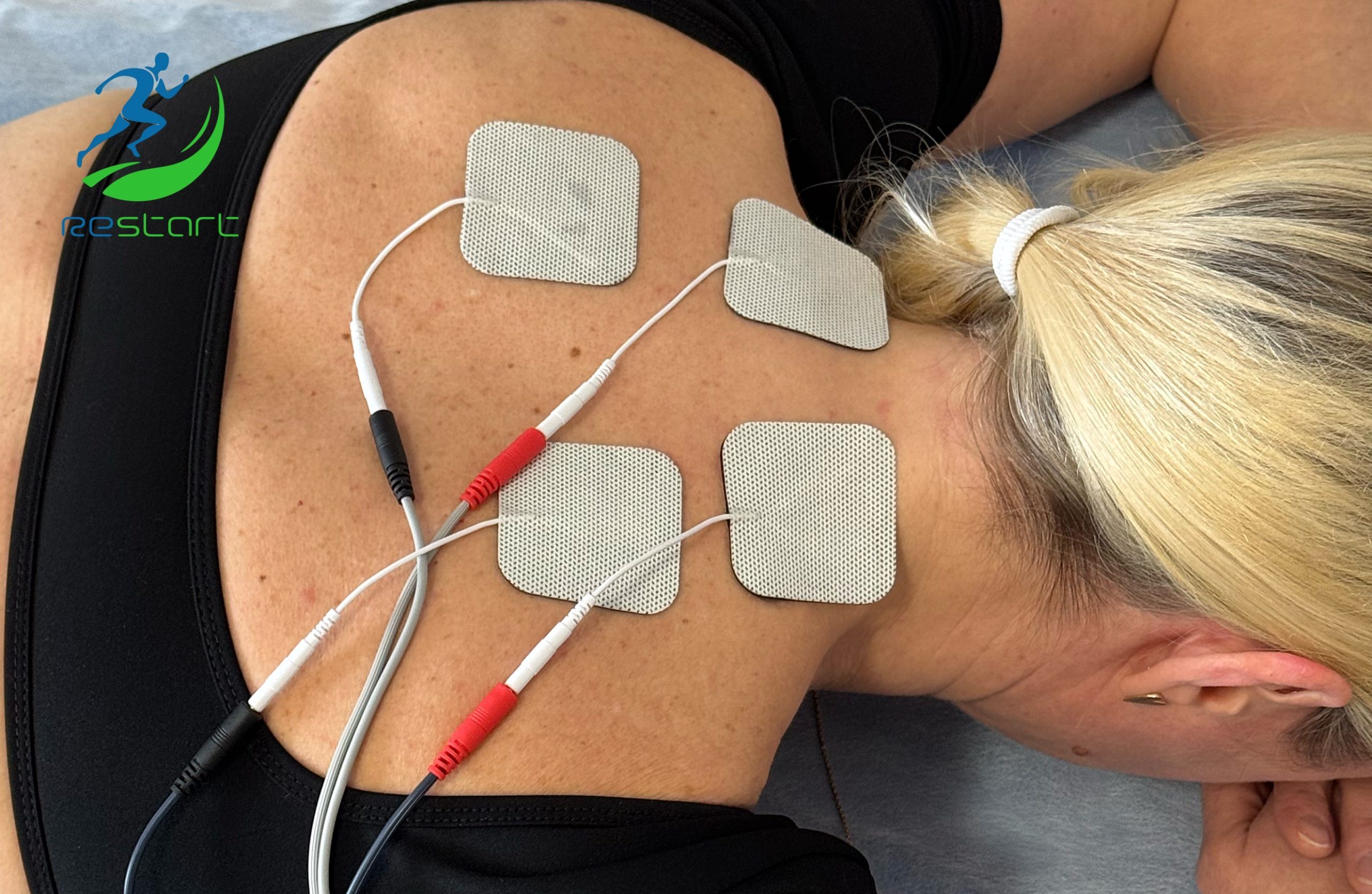
Galvanization is a physiotherapeutic technique that involves the impact on the body with a constant electric current of low voltage and strength. It is used to reduce inflammation, relieve pain, improve blood circulation, and restore neuromuscular functions.
How does galvanization work?
Special electrodes are applied to the patient’s body through the skin, between which a weak direct current (galvanic) passes. It passes through soft tissues, activating cellular metabolism, stimulating enzyme systems and promoting more effective healing of damaged structures.
A weak direct electric current is passed through the skin
The current penetrates soft tissues and cells
Cellular metabolism is activated
The work of enzyme systems improves
Bioelectrical processes in nerve fibers are stimulated
Accelerates the recovery of damaged tissues
Who is it recommended for?

For patients with neuralgia and neuritis
People with muscle weakness and paresis
For patients after fractures and surgeries
For people with chronic joint inflammation
People with vascular insufficiency and varicose veins
Patients with neuromuscular conduction disorders
Main indications
-
 Chronic pain (muscle, joint, radicular)
-
Tired legs syndrome, feeling cold in the extremities
-
Rheumatic diseases, arthritis
-
Autonomic disorders
-
Recovery after stroke or TBI
 Chronic pain (muscle, joint, radicular)
Advantages of the procedure
Drug-free analgesia
Reducing inflammation and swelling
Improving blood circulation
Activation of nerve recovery
Reducing muscle spasms
Increasing tissue sensitivity to treatment
Safety when used correctly
Minimal strain on the body
Sustainable therapeutic effect with course treatment
Contraindications
-
Skin damage in the area of electrode application
-
Oncological processes
-
Presence of metal implants
-
Pacemakers, arrhythmias
-
Purulent or allergic skin lesions
-
Fever, acute infectious conditions
 Skin damage in the area of electrode application
How does the session work?
The session begins with a consultation and selection of current parameters, after which moistened pads with electrodes are placed on the body, the device is turned on, and the patient feels a slight warmth or tingling.
Duration: 30 minutes.
Recommended course: 10–15 procedures daily or every other day (calculated individually for each patient).
Results

Reduction of pain syndrome
Elimination of inflammation
Reducing swelling
Improving tissue nutrition
Acceleration of regeneration
Restoration of nerve conduction
Improving joint mobility
Increasing muscle endurance
General improvement in well-being