
Myofascial massage
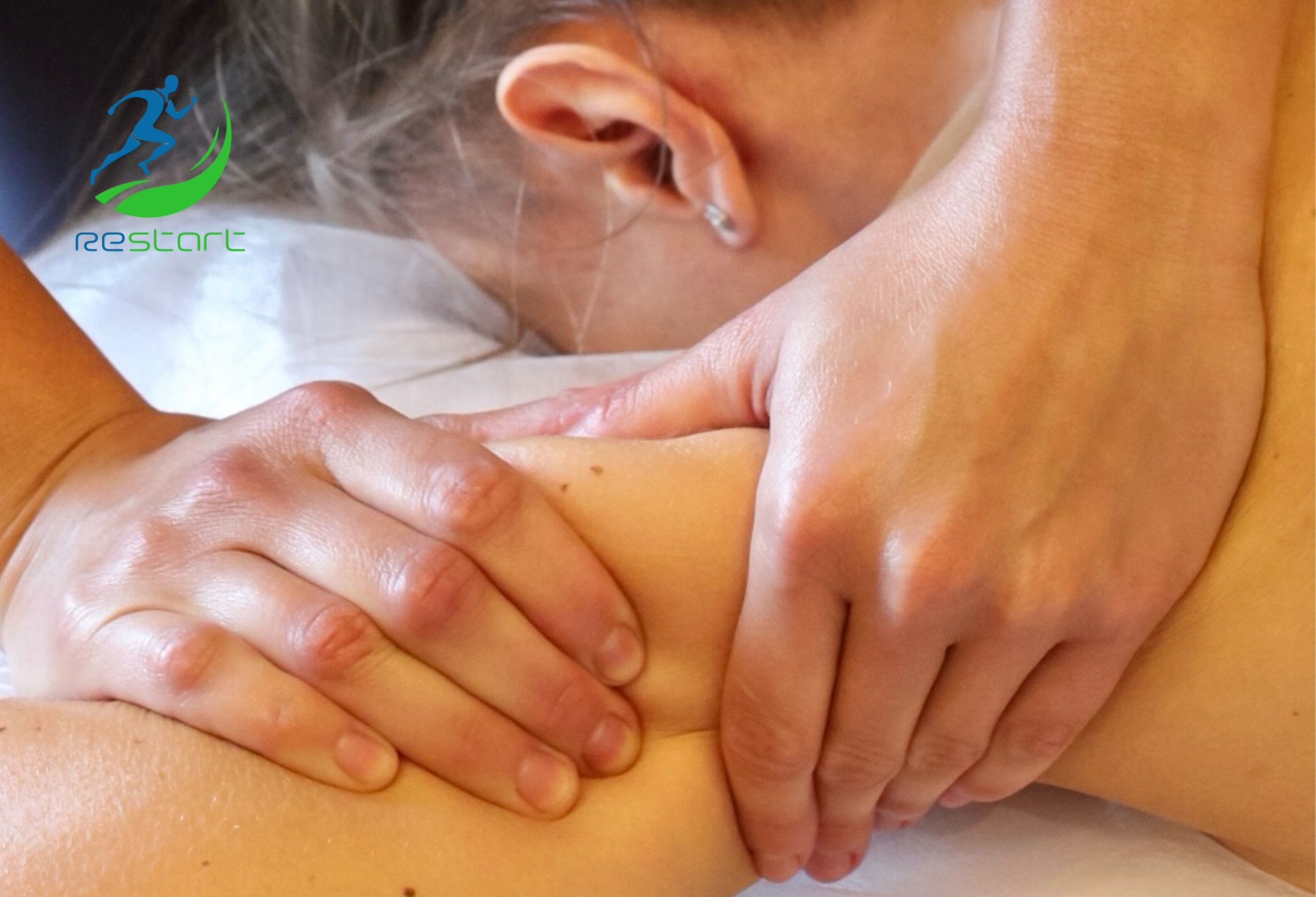
Myofascial massage is a deep yet gentle bodywork technique aimed at restoring the natural elasticity of muscles and fascia. It not only relieves pain but also addresses its root causes—trigger points, fascial adhesions, and chronic tension—bringing back a sense of lightness and freedom of movement.
How does myofascial massage work?
Fascia is a “network” of connective tissue that surrounds all body structures: muscles, bones, organs. If fascia loses its mobility, pain, limited range of motion, and impaired coordination occur. During massage:
The specialist identifies areas of spasm, trigger points, and reduced blood circulation
Works slowly, deeply, gradually stretching the fascia
Eliminates tissue adhesion, reduces pressure on nerve endings
Restores the natural movement of tissues relative to each other
Who is it recommended for?

People with chronic pain syndrome
For office workers and people with a sedentary lifestyle
For patients after injuries and surgeries
For people with posture disorders
Patients with tension headaches and migraines
For people with limited mobility
Patients with neurological functional manifestations
For active people and athletes
Main indications
-
 Chronic pain in the back, neck, shoulders, pelvis
-
Muscle spasms, feeling of a “wooden” body
-
Headaches, migraines
-
Trigger points (painful lumps in the muscles)
-
Scoliosis, hyperlordosis, other postural disorders
-
Limitation of range of motion, postoperative adhesions
-
After injuries, with a sedentary lifestyle
-
Neurological manifestations (tingling, feeling of heaviness, numbness)
 Chronic pain in the back, neck, shoulders, pelvis
Advantages of the procedure
Affects the underlying causes of pain, not just the symptoms
Restores myofascial balance and tissue plasticity
Improves movement, flexibility, and a feeling of “lightness” in the body
Has a long-lasting therapeutic effect, even after the course
Non-invasive, without medication or hardware intervention
Goes well with exercise therapy, kinesiotherapy, osteopathy
Contraindications
-
Acute inflammations, infections
-
Oncopathology
-
Pregnancy (restrictions on certain areas)
-
Thrombosis, phlebitis
-
Skin damage, hematomas in the affected area
-
Acute phase of injury (until stabilization of condition)
 Acute inflammations, infections
How does the procedure work?
The procedure includes consultation and palpation to identify areas of muscle imbalance, slow manual work with fascia without sudden movements, deep (sometimes moderately painful) work on trigger points, muscle stretching and tissue mobilization, as well as a final relaxation phase with recommendations for home implementation.
Duration: 30/40/60 minutes.
Recommended course: 5–10 procedures with breaks 1–2 times a week (calculated individually for each patient).
Results

Reduction or complete elimination of pain
Restoring mobility in joints and muscles
Improving posture and coordination
Feeling of freedom, lightness, stress reduction
Increased performance, endurance, deeper sleep