
Kinesiotherapy
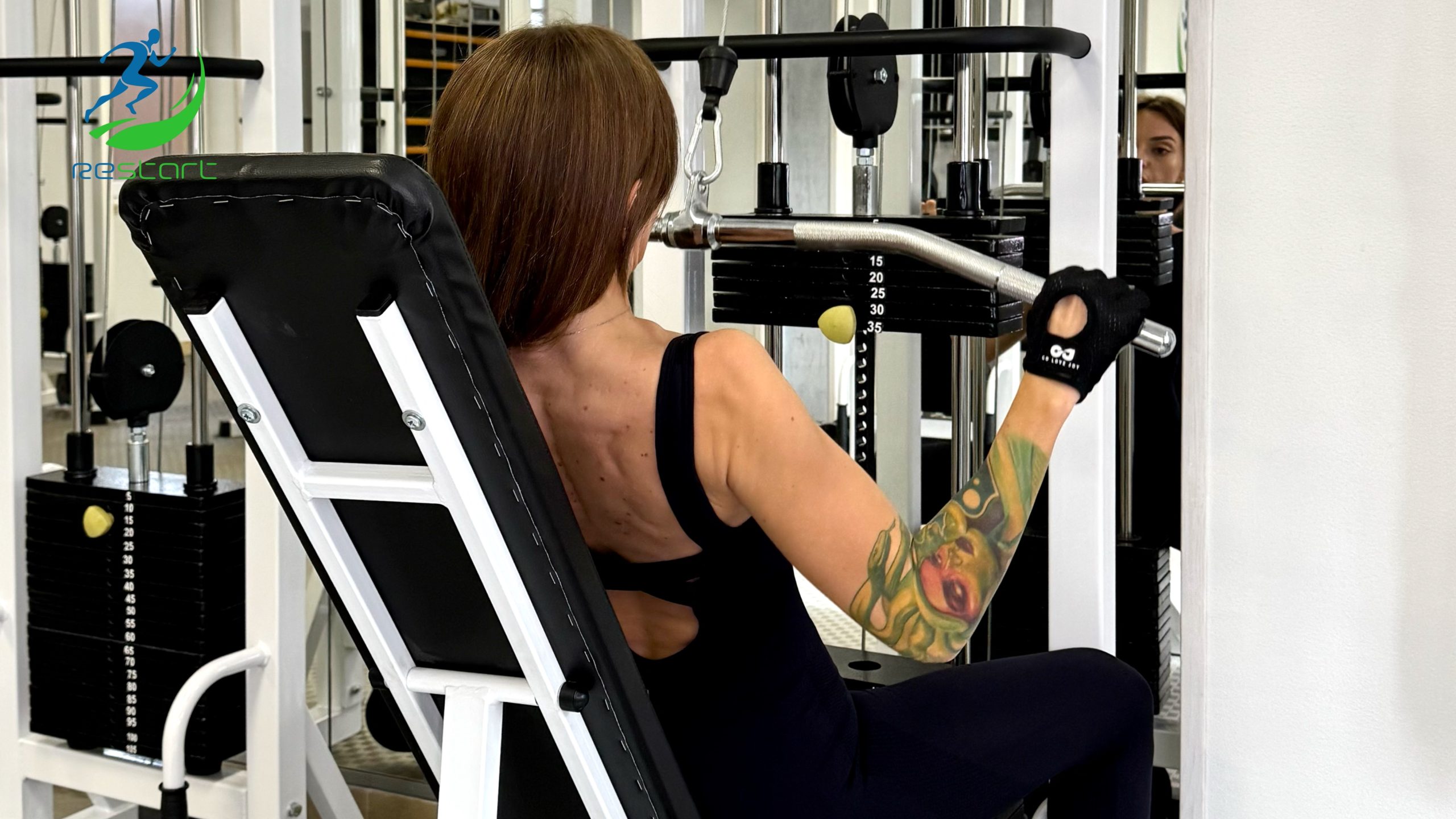
Kinesiotherapy is a movement therapy. It is a scientifically based system of exercises that uses the body’s natural abilities to restore the functions of the musculoskeletal system, nervous system, heart and blood vessels. It is an active rehabilitation that teaches the body to move properly again, without pain and with benefit.
How does kinesiotherapy work?

Uses individually selected therapeutic exercises
Activates the deep stabilizing muscles of the body
Restores neuromuscular coordination
Improves blood and lymph circulation
Normalizes movement stereotypes
Reduces pain through proper movement biomechanics
Who is it recommended for?

People with chronic back, neck and joint pain
For patients after injuries and surgeries
For people with degenerative changes in the spine
People with a weak muscular corset
For patients with a sedentary lifestyle
For those who seek to restore proper posture and mobility
Main indications
-
 Osteochondrosis and intervertebral hernias
-
Arthritis, arthrosis, tendonitis, bursitis
-
Scoliosis, stoop, muscle asymmetry
-
Balance and gait disorders
-
Postoperative rehabilitation
-
Post-traumatic conditions of the musculoskeletal system
 Osteochondrosis and intervertebral hernias
Advantages of the procedure
Treatment without medication
Natural restoration of body functions
Pain reduction without injections
Improving posture
Strengthening the muscular corset
Increased endurance
Improving coordination of movements
Individual approach to each patient
Long-lasting health effect
Contraindications
-
Acute inflammatory processes and high fever
-
Severe pain syndrome
-
Oncological diseases in the active phase
-
Unstable angina
-
Early post-stroke period
-
Pregnancy (without special program)
 Acute inflammatory processes and high fever
How does the class work?
The class begins with an initial consultation and functional movement diagnostics, after which an individual program is selected taking into account the diagnosis and condition, and under the guidance of a rehabilitation specialist, exercises for balance, flexibility, strength, and endurance are performed using breathing techniques, myofascial release, and spinal stabilization.
Duration: 45–50 minutes.
Recommended course: 2–3 times a week (calculated individually for each patient).
Results

Reduction of pain syndrome
Restoring joint mobility
Increasing muscle strength
Improving flexibility
Normalization of posture
Improving coordination of movements
Developing healthy motor skills
Reducing the risk of re-injury
Improving overall physical and emotional well-being